

Having a professional-looking website is important, but good design alone isn’t enough.
If your website is difficult for search engines to understand, slow to load, difficult to use on mobile devices, or poorly structured, it may struggle to reach potential customers through Google.
SEO-friendly website design brings design, user experience and search engine optimisation together from the beginning.
For businesses in Malaysia, this means creating a website that not only represents your brand professionally but also helps potential customers discover your products and services online.
What Is SEO-Friendly Website Design?
SEO-friendly website design means building a website that is easy for both people and search engines to understand and use. It also follows core SEO principles recommended by Google Search Central, such as making website content accessible, useful and easy for search engines to understand.
It combines:
- Clear website structure
- Relevant and useful content
- Mobile-responsive design
- Fast loading performance
- Logical navigation
- SEO-friendly URLs
- Internal linking
- Proper heading structure
- Optimised images
- Clear calls-to-action
SEO should not be treated as something added after a website has already been designed. It is more effective to consider search visibility and user experience during the website planning and development process.
1. Start With a Clear Website Structure
A well-organised website helps visitors find information quickly and helps search engines understand the relationship between your pages.
For example, a business website might have:
Home → Services → Website Design → SEO → Digital Marketing → Contact
Each important service should have its own relevant page rather than putting everything on one page.
For businesses targeting Malaysian customers, dedicated service pages can also provide opportunities to naturally address relevant search queries such as website design Malaysia, web development Malaysia, or SEO services Malaysia.
2. Use Clear Headings and Content
Headings help organise your content.
Your page should generally have one clear primary heading, followed by logical H2 and H3 sections.
More importantly, the content under each heading should answer a real question or provide useful information.
For example:
H1: SEO-Friendly Website Design in Malaysia
H2: What Is SEO-Friendly Website Design?
H2: Why SEO Matters for Website Design
H2: How to Make a Website SEO-Friendly
This structure makes your content easier to scan and understand.
3. Make Your Website Mobile-Friendly
Your website needs to provide a good experience across desktop, tablet and mobile devices.
Mobile-friendly design means more than simply shrinking a desktop layout.
Navigation, typography, images, buttons and forms should all be designed for smaller screens.
A visitor should be able to find your services and contact your business without struggling with the interface.
4. Focus on Website Speed
Performance is another important part of creating a good website experience.
Large images, unnecessary scripts, excessive plugins and inefficient website configuration can contribute to slower loading.
An SEO-friendly website should balance:
Design + Functionality + Performance
This is particularly important for businesses running Google Ads or social media campaigns, because paid traffic still needs a good website experience once visitors arrive.
5. Create Useful Internal Links
Internal links connect related pages within your website.
For example, this article can link to your Website Design & Development service page, while your website design cost article can link back to the service page.
This creates a clear content structure and helps users discover related information. Google also uses crawlable links to discover pages and understand the relationship between different pages on a website.
You can also explore our guide to Website Design Cost in Malaysia in 2026 and our article on Effective Landing Pages for more practical information.
6. Optimise Your Images
Images are an important part of modern website design, particularly for creative businesses.
However, large unoptimised images can negatively affect performance.
Images should be:
- Properly sized
- Compressed
- Descriptively named where appropriate
- Provided with useful alternative text when needed
The goal is to maintain visual quality without unnecessarily increasing page weight.
7. Create Content Around Your Customers’ Questions
SEO isn’t just about inserting keywords into a page.
Your content should answer the questions your potential customers are actually searching for.
For example, a Malaysian business owner might search:
- How much does website design cost in Malaysia?
- What should a business website include?
- How long does it take to build a website?
- Do I need SEO for my website?
- What is the difference between web design and web development?
Creating useful content around these questions can help your website build topical relevance while giving potential customers useful information.
8. Don’t Forget AEO and AI Search
Search is increasingly becoming more conversational.
People are asking search engines and AI tools complete questions rather than only typing short keywords.
This makes clear, structured answers increasingly useful.
For example, instead of simply writing:
Website design is important.
A better approach is to directly answer:
Why is SEO-friendly website design important?
SEO-friendly website design helps businesses create websites that are easier for users to navigate and easier for search engines to understand.
Clear questions, concise answers, logical headings and well-structured content can make information easier to understand across modern search experiences. Google’s guidance on AI features also emphasises the importance of strong SEO fundamentals. For businesses, this means creating useful, accessible and well-structured content that clearly answers the questions their audience is asking
SEO-Friendly Website Design for Malaysian Businesses
For a Malaysian business, your website should reflect both your target audience and your business goals.
Depending on your market, this may include:
- Malaysia-focused service pages
- Local business information
- Relevant Malaysian search terms
- Location-specific landing pages where appropriate
- Local Business structured data
- Mobile-first design
- Clear contact and enquiry options
Relevant structured data can also help Google understand information about your business, services and website content. Google supports structured data that can help it understand information about businesses and website content, although structured data does not guarantee a particular search appearance.
Website Design and SEO Should Work Together
A website shouldn’t be designed first and “optimised for Google” later.
The best approach is to consider:
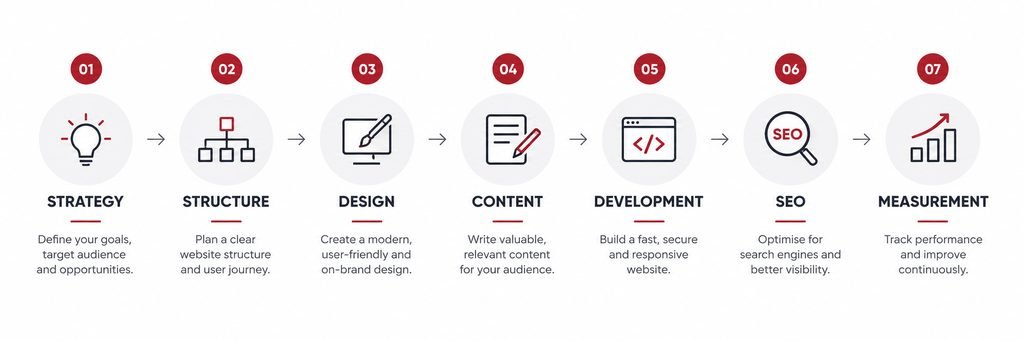
This creates a website that is designed not only to look professional, but also to support visibility, usability and business growth.
If you’re planning a new website or considering improving your existing website, book a Free Consultation with Partow Ads to discuss your project and find the right approach for your business.
Frequently Asked Questions
What is SEO-friendly web design? SEO-friendly web design combines website design, user experience and technical structure to make a website easier for users and search engines to understand.
Does website design affect SEO?
Yes. Website structure, mobile usability, performance, navigation, content organisation and other technical factors can influence how effectively users and search engines interact with a website.
How can I make my website rank better in Google?
Start with a technically accessible website, useful original content, clear structure, relevant internal links, good mobile experience and strong user experience. SEO is an ongoing process rather than a one-time website task.
Do Malaysian businesses need SEO?
If your customers use Google to discover businesses, products or services, SEO can be an important part of your digital marketing strategy.
Categorise
Tags
#advertising (11) #advertising-agency (6) #advertising-strategies (4) #brand-story (1) Branding (7) digital marketing (7) Marketing (8) partow ads (4) social media campaign (1) Strategies (2)
Recent Posts
- Meta One Malaysia: Pricing, Plus Plans & Business Features

- ChatGPT Ads in Malaysia: Cost, Availability & How It Works?

- Does AI-Generated Content Get Less Reach on Social Media in 2026?

- Trend or Trap? A Brand’s Guide to Choosing Social Media Trends Without Losing Its Identity

- Brand Identity & Brand System: Building a Strong, Consistent Brand



Leave a Reply